.jpg)
Separate showers, low visibility and official closures, then organise forest viewpoints, valley time and rest around the actual conditions.
Distinguish atmospheric mist from no view
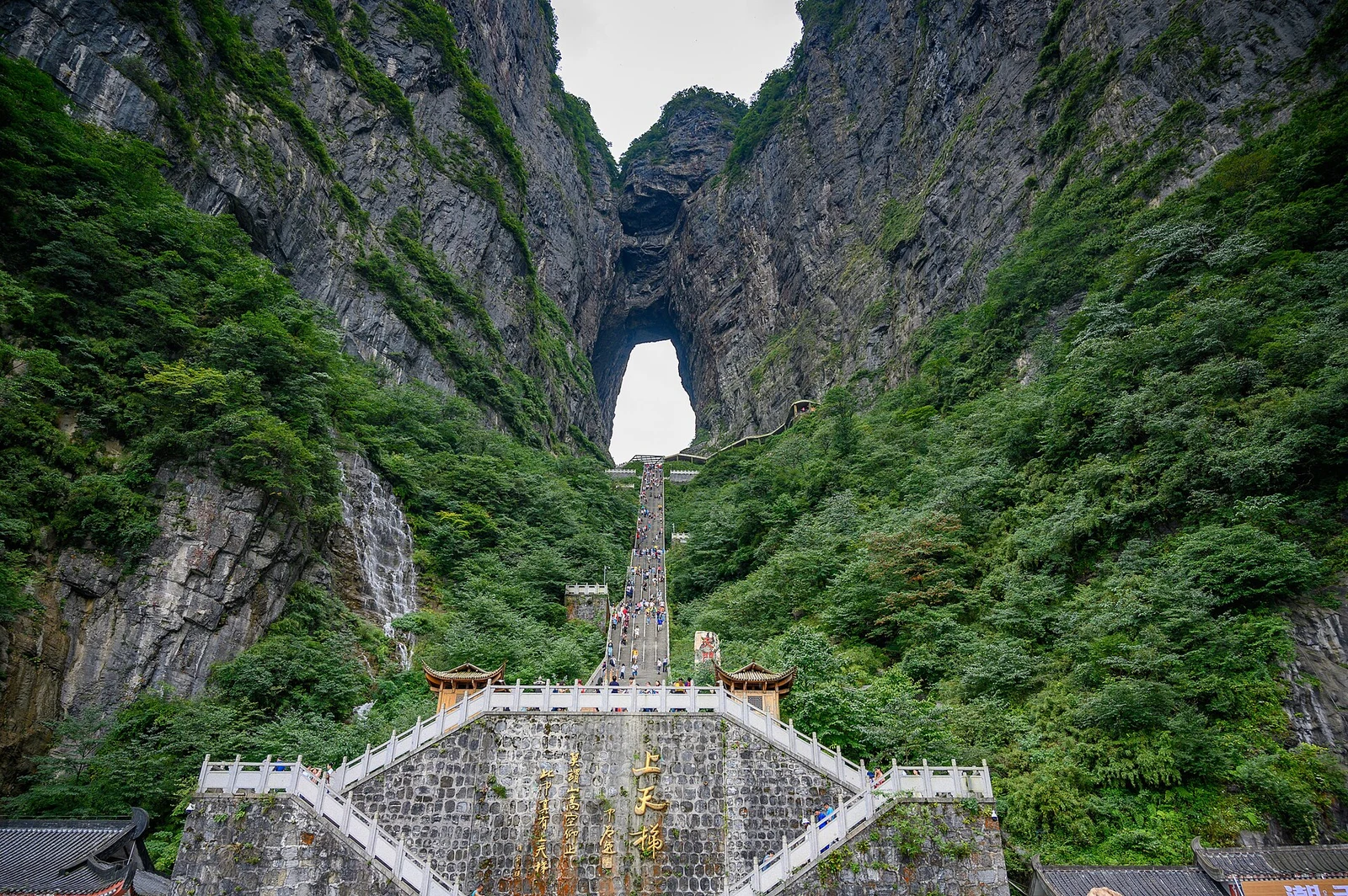
Moving cloud between pillars can create layers, while sustained low visibility may remove the distant view altogether. Those conditions should not be combined into a promise that rain always improves the scenery. A dramatic promotional image cannot predict your date. Decide whether you also enjoy nearby plants, valley details and rock surfaces, or whether a clear panorama is the principal aim. That choice affects how much flexibility your programme should retain.
Consecutive nights make useful changes more possible
For a photography-focused trip, place forest opportunities within a stay rather than only in the final half day before departure. If upper visibility is poor on one candidate day, a change of order may be possible when booking and operating conditions allow it. Know in advance which reservations can move and which vehicle commitments are fixed. Different areas should not be treated as if one forecast describes every part of Wulingyuan and Tianmen equally.
Use valley alternatives selectively
A valley route such as Golden Whip Stream can offer closer forest and water subjects, but its suitability depends on current operation, rainfall and path conditions. Rain protection is not a substitute for checking access, and a closed path must remain off the itinerary. Plan a limited section with a clear return point. Photographers travelling with non-photographers should agree how long to wait at a subject so the alternative works for the whole group.
Use the current Tianmen instructions
Tianmen transport and paths can change with maintenance or operating adjustments. The official May 2026 notice about the East Line glass walkway is evidence that such changes occur, not a statement that it remains closed today. Confirm the booked route, meeting point and alternative before travelling. If operation changes, have the organiser reassess collection as well. Do not improvise a different descent based on a short video without understanding its exit and onward transport.
Plan photography around shared paths
Accessible rain protection, dry storage and a lens cloth can be more useful than carrying excessive equipment. Avoid blocking narrow paths with a prolonged setup, and never cross barriers to imitate an elevated camera angle. Drone use must comply with applicable permission rather than being assumed available. Choose a small number of main compositions and be ready to change the subject when light does not cooperate. Documenting the journey and obtaining one dramatic image are different goals.
Discuss weather changes before payment
Ask how closure, route changes or extra photographic waiting affect cancellation, the vehicle and replacement activities. A half-day rest, a changed meal plan or dropping one attraction may suit the group better than completing a wet checklist. With only two days, accept the possibility of missing a particular distant view. Useful flexibility comes from time and booking conditions; it cannot be created by a claim that sunshine or a sea of clouds is guaranteed.
Frequently asked questions
Should I cancel whenever rain is forecast?
Not from an icon alone. Consider the actual weather, visibility, official operation and the experiences you want.
Can I swap the forest park for Tianmen at the last minute?
Check availability, route, transport and change terms first. The tickets and local conditions are not interchangeable.
Explore destination and private-trip options
Related reading:Zhangjiajie in Three or Four Days: A Realistic First Visit