
Choose by the question you want to explore
Both gardens reward a patient visit, but the useful comparison is not which one wins a ranking. Ask what you want to notice and how the visit connects to the rest of your Suzhou day. The UNESCO account places them within the same garden tradition. You can appreciate that tradition through one well-chosen visit; seeing both is worthwhile when you genuinely want to compare rather than collect names.
Choose the Humble Administrator’s Garden for water-led looking
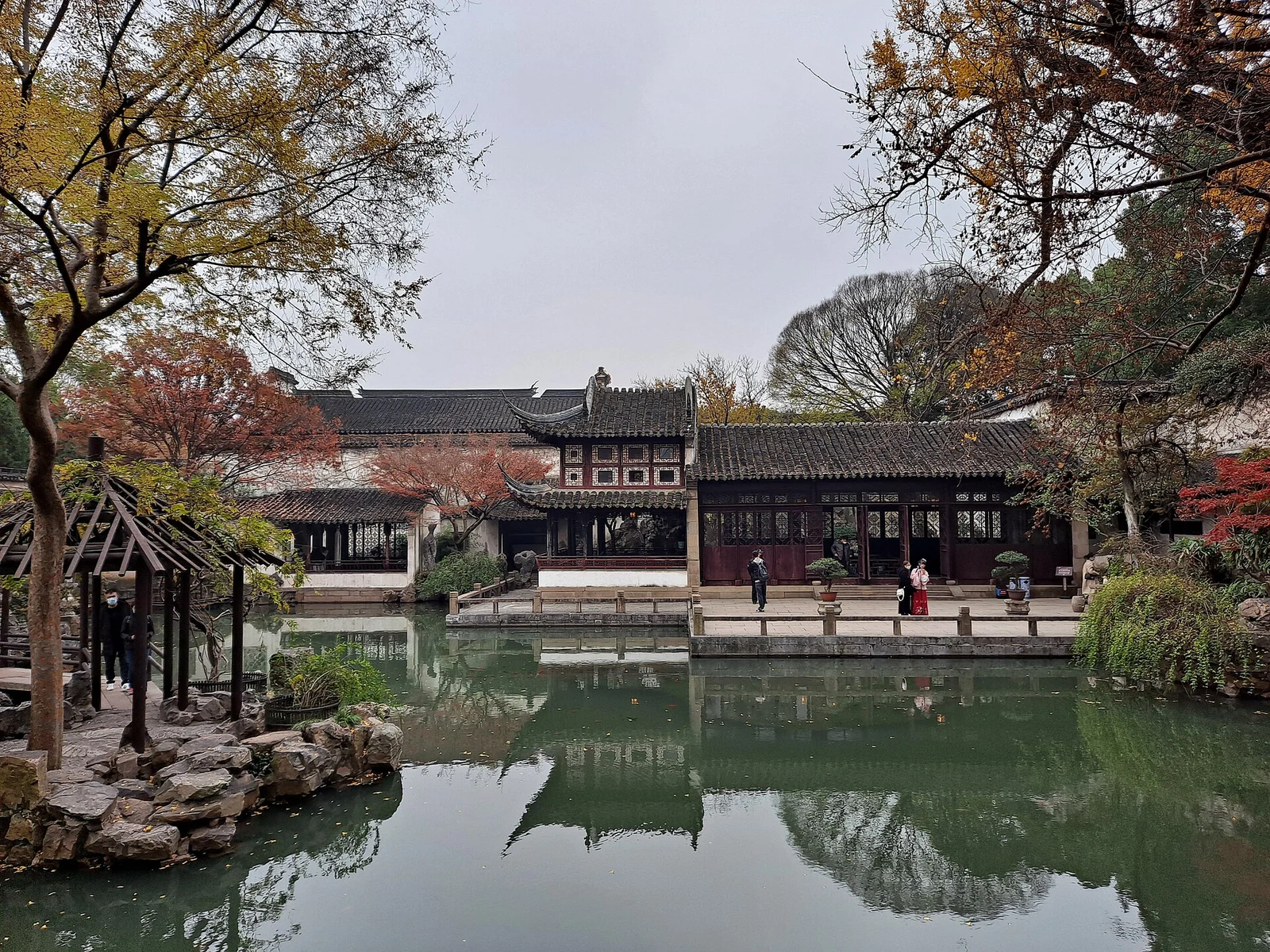
The official city introduction identifies water as a major organising element at the Humble Administrator’s Garden. Use that as a viewing exercise: notice how a scene changes across a pond or when a building appears in reflection. Its Dongbei Street location also matters when pairing nearby old-city activities. Let the garden take a substantial portion of the day rather than expecting to photograph it properly in a hurried circuit.
Choose the Lingering Garden for spatial transitions
The official Lingering Garden description highlights the use of halls, corridors and divisions between spaces. Follow that idea by pausing before moving through an opening, then looking back after crossing it. This can be rewarding for travellers interested in architecture and how a compact sequence creates variety. Its separate location means it should be grouped deliberately with the rest of the day, not assumed to stand next door to the other garden.
Use the rest of your itinerary as the tiebreaker
If both appeal equally, compare the hotel, lunch stop, museum plans and final departure point. Reducing an unnecessary cross-city transfer may matter more than adding one extra famous view. A garden with available entry that fits your day is more useful than a theoretically perfect choice that forces a rushed visit. Avoid assuming one is always quiet: holidays, group arrivals, weather and temporary arrangements can change how either feels.
Plan differently if you visit both
Separate them with a proper lunch or place them on different days. Give each visit a different focus: water and reflection at one, transitions and framing at the other. Keep notes or select a few photographs for comparison, rather than trying to remember every pavilion name. This approach suits design enthusiasts. Young children or visitors already tired from several museums may enjoy one garden and an open afternoon much more.
Check access and entry before deciding finally
Verify the current ticket channel, date, entrance and any closed areas. Ask about the specific path if steps, narrow passages or walking endurance are concerns; do not infer full accessibility from the garden’s size. Consider the forecast when choosing shoes and how much outdoor time to plan. If using a guide, ask for interpretation tailored to your interest rather than the same scripted history regardless of which garden you choose.
Questions before you go
Which is best for a first visit?
Choose by your visual interest and route. Neither is a universal winner, and one unhurried visit is preferable to two hurried ones.
Is the smaller-looking option automatically easier to walk?
No. Check actual steps, passages and the planned route rather than judging comfort by overall size.
Explore private travel options for Suzhou. Share your dates, walking comfort and must-see places to discuss a suitable route.